





Rocket Play speaks to adult players in Australia who care about a smooth route from entry to play. In 2026, that route matters as much as the game lobby. People want to create an account, confirm details, manage funds, and understand their options without guessing what the next screen will ask for.
This article focuses on the practical side of the experience. Instead of repeating big claims, it looks at what a player actually does: open an account, pass checks, choose a payment method, set boundaries, and ask for help if something slows down.
Why First Impressions Matter In Australia
Most players judge a platform before they place a single wager. Imagine opening the homepage during a short break and trying to find the account area in under a minute. If the path feels obvious, confidence grows. If it feels messy, even an interested user may stop there.
That first impression is rarely about bright graphics. It is about structure. A readable menu, clear buttons, and a visible wallet area reduce friction straight away. Australian players, especially those switching between phone and desktop, often notice these details faster than anything else because they affect every later step.
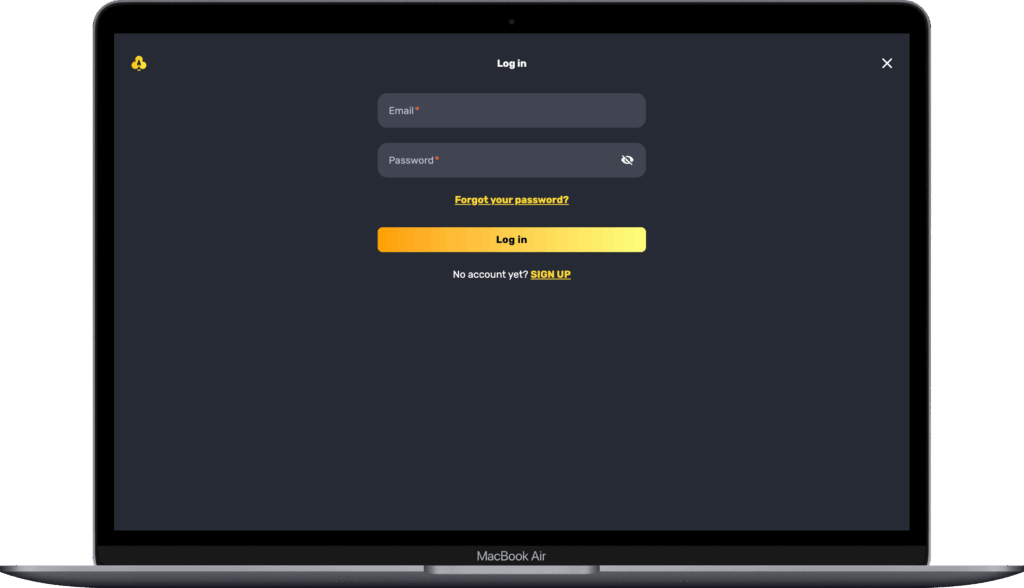
How Rocket Play Login Fits Into A Faster Routine
Returning users usually want one of three things: check the balance, review a previous transaction, or get into a short session without extra delay. Picture someone coming back after work and opening the account area before deciding whether to play at all. That pause is useful. It gives the player a chance to see what changed since the last visit.
A sensible routine starts with access, then balance review, then limits, then the game lobby. That order keeps the session grounded. It also makes emotional play a little less likely, because the player sees the account status before chasing action.
Setting Up The Account The Smart Way
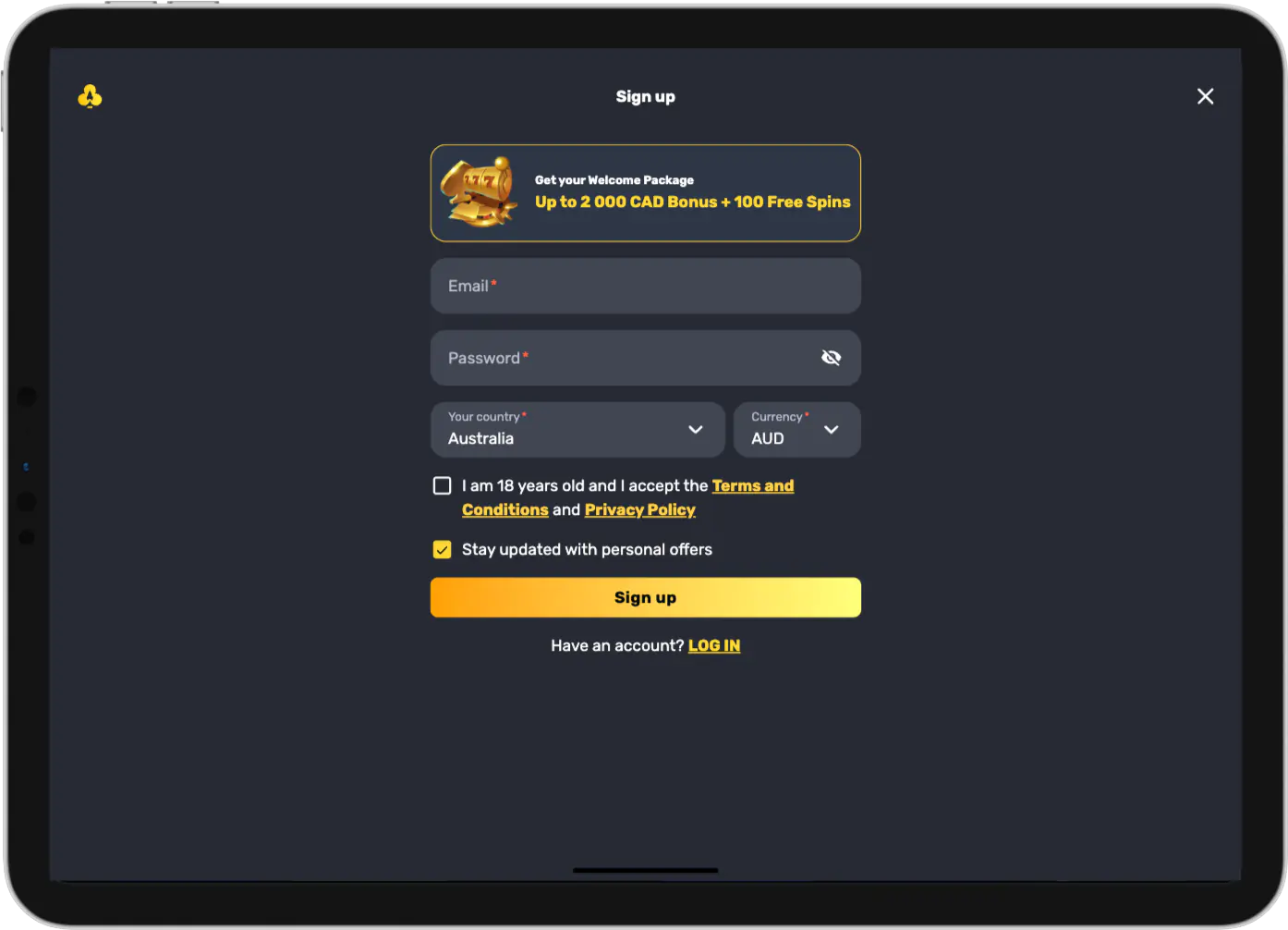
Registration works best when it feels like a short admin task, not a race. Usually the player enters basic personal details, confirms contact information, and creates secure credentials. Imagine doing this on a quiet evening with an ID nearby and your payment method already chosen. The whole process feels lighter because you are not switching between apps or hunting for missing details.
Good registration design asks for what matters now and leaves less urgent items for later. That balance matters. Too many fields on the first screen push people away, but too little structure creates mistakes that can show up during verification or cash-out.
Players also benefit from slowing down at this stage. Read the password rules. Check the spelling of your name. Match your details to your bank or wallet information. Those tiny checks feel boring in the moment, yet they often prevent the most annoying account problems later.
Where Rocketplay Sign Up Usually Feels Easiest
The easiest setup usually happens when the player is calm and not multitasking. If you are filling out the form while commuting, chatting, or watching something else, small errors become much more likely. On a phone, large tap areas and short fields help. On desktop, the wider layout makes it easier to review each line before submitting.
Usually players get the best result when they treat account creation as the preparation for future sessions rather than the first hurdle before instant entertainment. That mindset changes everything. It turns setup into a controlled step instead of a rushed click-through.
Payments, Verification, And Planning Ahead
The cashier is where good intentions often become real habits. A player may enter with a fixed budget, then add more than planned because the decision was made inside the wallet screen rather than before it. Imagine opening the payment area after a tiring day. That is exactly when a pre-decided amount helps most.
Deposits are only one part of the picture. Verification, account matching, and later cash-out checks also matter. The strongest player habit is simple: separate the tasks. First choose the funding method, then set a budget, then play. Later, when the time comes to withdraw, review account details and pending checks before sending the request.
Method Type | Best Used For | What To Review First |
|---|---|---|
Bank card | Quick wallet funding | Limit, available balance, saved details |
E-wallet | Fast transfers and cleaner budgeting | Correct account email, cap, pending fees |
Bank transfer | Larger movements with extra control | Processing window, matching name, bank notes |
Prepaid option | Hard spending boundaries | Remaining funds, activation, one-time limits |
This comparison is useful because the right method depends on the player's goal, not on hype. Someone who wants a strict ceiling may prefer prepaid tools. Someone who values speed and separation from a main bank account may lean toward an e-wallet. The important part is making the choice before money is moving.
How To Read The Wallet Area Carefully
Players often rush the cashier because they think the exciting part starts after payment. In reality, this is where slow reading matters most. Picture a user adding funds while distracted by a message or live score. It becomes easy to miss a minimum amount, a pending document request, or an older transaction still being processed.
A simple check helps: method, amount, account name, and current status. Four points, a few seconds, fewer headaches.
What Usually Affects Cash-Out Timing
There is no single answer that fits every withdrawal. Timing often depends on identity checks, banking schedules, weekends, and whether the payment route matches the account holder details. Imagine a player requesting a payout late on Friday and expecting the funds to land first thing Saturday. Sometimes that happens, sometimes it does not.
A better approach is to prepare early. Keep your profile details current, answer verification prompts before you need the money, and use methods linked to the same name as the account. That will not create miracles, but it usually removes avoidable delays.
Picking Games Without Losing The Plot
The game lobby can either support a controlled session or push the player into random clicking. Imagine entering with twenty minutes and a fixed budget. The best move is not to open the loudest title first. It is to choose a category, review the stake controls, and decide what kind of session you actually want.
This is where self-control often looks ordinary. A player who picks one game type and stays with it usually has a clearer sense of time, spend, and mood than someone bouncing through the lobby every two minutes. Browsing is useful, but too much browsing creates impatience, and impatience rarely leads to careful decisions.
Why Short Sessions Usually Feel Better
Short sessions work because they give shape to the experience. If you know the budget and the stop point before you begin, both wins and losses become easier to manage. Picture setting a timer for twenty minutes and promising yourself that the session ends when it rings. That small rule can do more than any motivational slogan.
Shorter play also makes tracking simpler. You remember where the balance started, what stake range felt comfortable, and why you stopped. That clarity matters if you want gaming to stay entertainment rather than drift into habit.
Mobile Play And Everyday Use In 2026
For many players in Australia, mobile is the main platform, not the backup. That shifts expectations. People want readable menus, fast balance checks, and account settings that do not disappear into tiny submenus. Imagine opening the platform with one hand while standing in line or sitting on a train. Every extra tap suddenly feels heavier.
Mobile use also changes risk. It is easy to treat a phone session as casual simply because it starts quickly. Yet the same account tools still matter: clear logout, visible history, budget controls, and an easy path to support. The best mobile experience is not the fastest one. It is the one that lets the player stay oriented, even in a short burst of play.
Switching Between Devices Without Confusion
A common pattern in 2026 is simple: browse on desktop, check the wallet later on mobile, then return to a larger screen for account review. When the platform handles this well, the user feels continuous control. When it does not, frustration appears fast because the player has to re-find settings, history, or pending requests.
Usually the safest habit is to treat each device change as a small reset. Check the balance again. Review what is still pending. Make sure you are not continuing a session blindly just because the account stayed open somewhere else.
Support, Limits, And Better Habits
Support only matters when something interrupts the plan: a document issue, a locked session, a payment delay, or a term the player does not fully understand. Imagine trying to solve that while already frustrated. In that moment, speed matters, but clarity matters more. The best support request is short and specific: what happened, when it happened, and what the account currently shows.
Good help does not begin with a chat window. It begins with the account itself. Clear transaction history, readable status notes, and visible limits solve many problems before a message is needed. When a player does reach out, the issue is easier to explain if those basics are already easy to see.
The same section of the account should also make safer gambling tools easy to find. Deposit caps, cooling-off periods, session reminders, and self-exclusion options are most useful when chosen early. Usually players search for them only after a rough session. A better habit is to set them while calm, then let the settings do their job later.
What Responsible Play Looks Like In Practice
Responsible play is usually quiet and repetitive. Picture someone deciding their weekly budget before payday spending begins, setting a time limit, and leaving when the reminder appears. That routine is not dramatic, but it is effective because it reduces decisions made in the heat of the moment.
The same principle applies to mood. If you are tired, irritated, or tempted to recover past losses, stepping away is often the smartest move available. Tools help, but the real difference comes from using them before the session turns emotional.